


Last updated: September 23, 2026
Key Takeaways
- Adaptogen drinks are beverages made with plant and mushroom extracts that people use to manage stress and unwind. The category has no regulatory definition, so careful label reading matters.
- Reported benefits include stress relief, serving as an alcohol alternative, supporting energy or calm, and enhancing social connection. Evidence is preliminary and varies by ingredient and dose.
- Effective adaptogen drinks use transparent labeling that lists milligram doses, extract type, beta glucan percentage, and sugar and caffeine content.
- Most commercial drinks fall short on dose transparency, which makes it difficult to compare products or relate them to clinical research.
- Little Saints publishes a 100 mg dose at 70% beta glucan, uses USDA Organic extracts, and offers zero-sugar, caffeine-free options designed for evening use.
What Adaptogen Drinks Benefits Actually Are
Adaptogen drink benefits cluster into four main areas. Evidence strength varies by ingredient, and most studies are small and short-term. No outcome below is guaranteed.
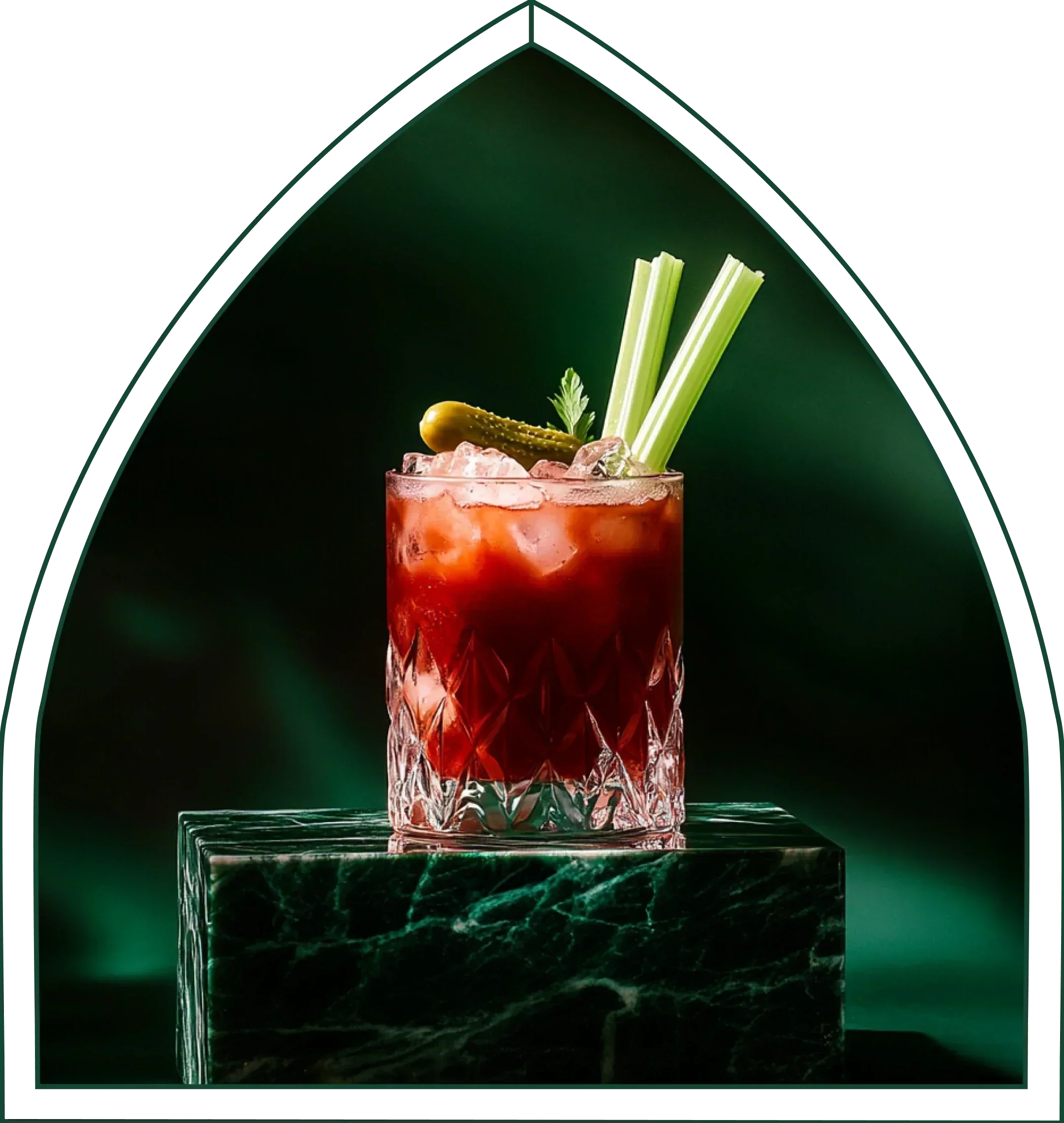
Stress And Winding Down. Many people reach for adaptogen drinks for an end-of-day exhale, a sense of ease after a demanding day. Reishi mushroom has a long history of traditional use in this role. The National Center For Complementary And Integrative Health (NCCIH) notes that evidence for most adaptogenic ingredients is preliminary and that studies are often relatively small and short-term. For example, its Asian ginseng page states that most clinical trials had fewer than 200 participants and lasted shorter than 3 months.
An Alcohol Alternative For The Evening. A growing share of adults want the ritual of a drink without the next-day cost. The NIQ From Value To Vibe Report (January 2026) found that 47% of on-premise visitors mix alcoholic and non-alcoholic options in the same occasion, a behavior called zebra striping. Adaptogen drinks increasingly fill the non-alcoholic side of that pattern.
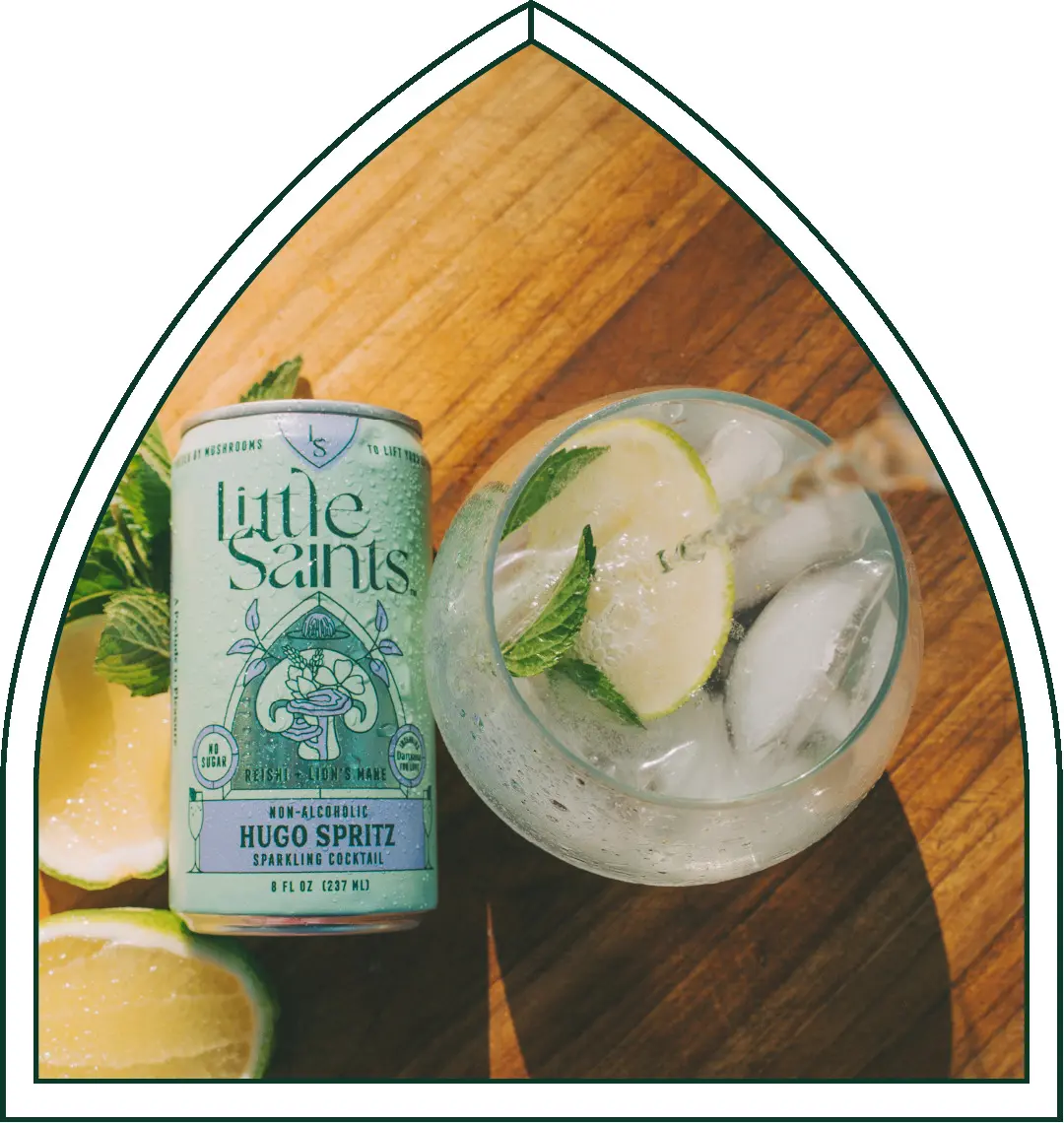
Energy Or Calm. Some formulations support focus and mental presence. Others lean toward settling and relaxation. The direction depends on which ingredients are present and at what dose. The NIH Office Of Dietary Supplements notes that the FDA regulates dietary supplements differently from drugs, and that manufacturers are responsible for ensuring safety before a product reaches market.
Mood And Connection. Consumers often describe a subtle shift in social ease, feeling more present, more engaged, and more willing to stay at the table. This effect is experiential rather than pharmacological. Adaptogen drinks cannot lawfully be marketed with claims to treat, cure, or prevent a disease such as anxiety or depression, because such claims would classify the product as an unapproved new drug. These statements have not been evaluated by the FDA, and the products are not intended to diagnose, treat, cure, or prevent any disease. Consult a doctor before use if you are pregnant, nursing, taking medications, or managing a medical condition.
Do Adaptogen Drinks Really Work?
Whether an adaptogen drink works depends largely on dose and extract quality, not just the ingredient list. A label that names Reishi without stating a milligram dose or a beta glucan percentage offers little insight into what is actually in the can.
The gap between what clinical research studies and what a typical commercial beverage delivers is significant and rarely discussed. Most published trials use concentrated extracts at doses that are higher than what many commercial drinks contain. A drink with a token sprinkle of mushroom powder differs from one with a stated, concentrated dose, even if both list the same ingredient.
Before buying any adaptogen drink, check these five things on the label:
- Is A Milligram Dose Stated? If no dose appears, there is no way to compare the product against research or against other products.
- Is The Extract Type Disclosed? Fruiting-body extract and mycelium grown on grain are not equivalent. Quality fruiting-body mushroom extracts typically run 20–40% beta glucan, while mycelium-on-grain powders commonly test in the low single digits.
- Is A Beta Glucan Percentage Published? Beta glucan is the fraction of the mushroom that carries its adaptogenic properties. A label that shows only "polysaccharides" may be reflecting grain starch rather than fungal content.
- Does The Drink Contain Caffeine? Many functional drinks are built for the morning. For an evening occasion, caffeine works against relaxation.
- How Much Sugar Does It Contain? A drink can carry a functional ingredient and still be high in sugar. Check the nutrition panel.
These statements have not been evaluated by the FDA, and the products are not intended to diagnose, treat, cure, or prevent any disease. Consult a doctor before use if you are pregnant, nursing, taking medications, or managing a medical condition.
How To Tell If An Adaptogen Drink Has A Real Dose
The five-point label check above is a starting filter that shows whether a product deserves a closer look. A fully transparent label goes further and explains how much you get, what form it takes, and how it fits your routine.
The Dose Gap. Clinical research on mushroom extracts uses concentrated, standardized preparations. Commercial beverages vary enormously, and many do not publish a milligram figure at all. Without a stated dose, a consumer cannot know whether a product contains a meaningful amount or a marketing sprinkle. More is not always better, but some documented amount is more useful than none.
Extract Type: Fruiting Body Versus Mycelium On Grain. Quality fruiting-body mushroom extracts typically run 20–40% beta glucan, while mycelium-on-grain powders commonly test in the low single digits, because the grain substrate, such as rice or oats, is dried and ground into the final powder without being removed. A label that says "mushroom extract" without specifying the source material leaves out crucial detail. A stated beta glucan percentage is a more precise indicator of genuine mushroom content than a general polysaccharide figure, because polysaccharides can include grain starch.
Beta Glucan Content. Beta glucan is the specific polysaccharide found in fungal cell walls that is associated with the mushroom's adaptogenic properties. As noted earlier, fruiting-body extracts typically contain 20–40% beta glucan, while mycelium-on-grain powders test much lower. If a label does not disclose a beta glucan percentage, the buyer cannot evaluate what they are getting.
Caffeine. Many functional drinks are built for the morning desk. For an evening wind-down, a caffeinated product works against the reason you are reaching for it.
Sugar. Zero grams of sugar and very low calories are not the default in this category. Read the nutrition panel before assuming a functional drink is also a clean one.
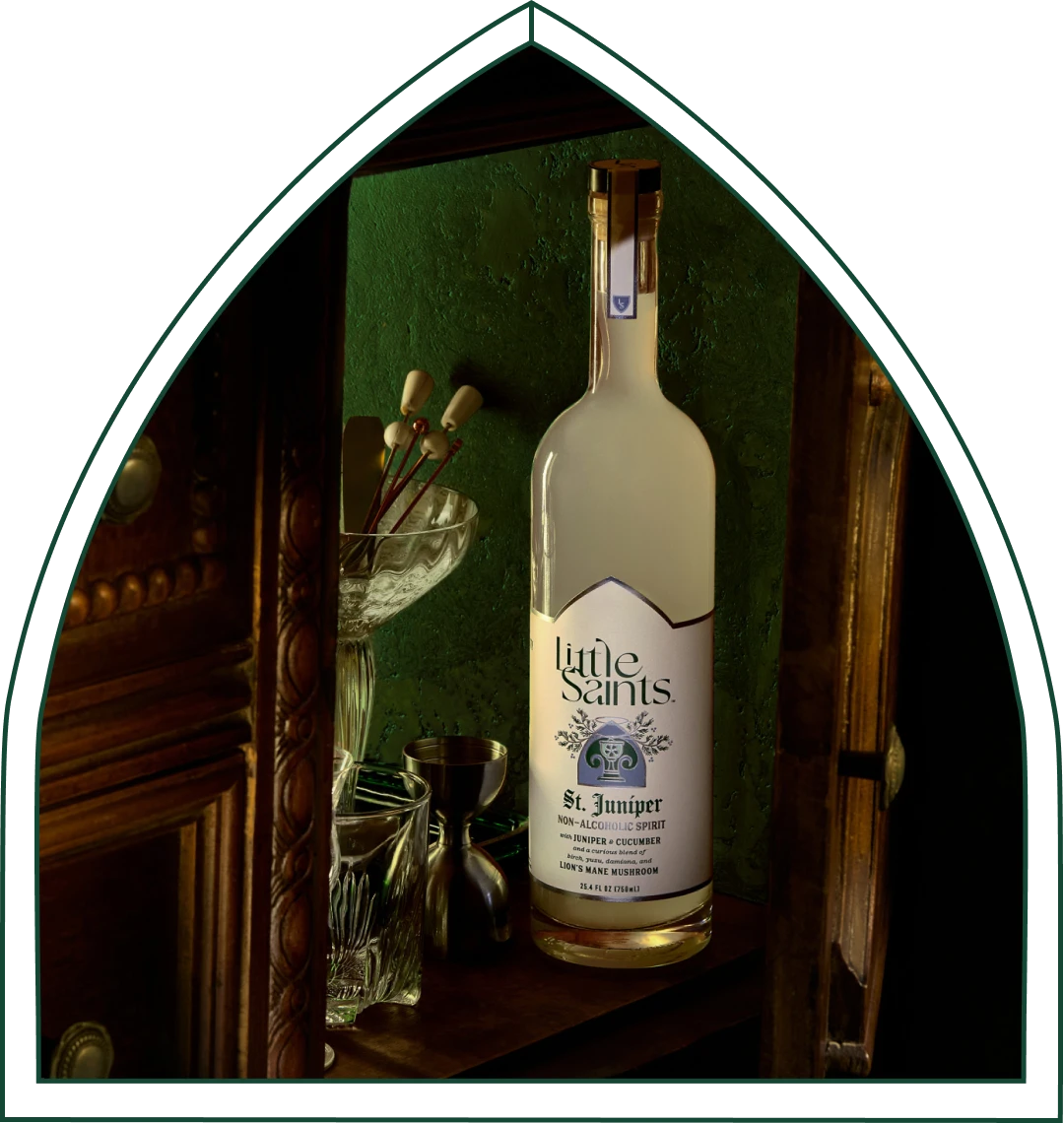
A label that passes every check will state a milligram dose, disclose the extract type, and publish a beta glucan percentage. Little Saints is one example: it publishes a 100 mg dose per serving at a minimum of 70% beta glucan, uses USDA Organic extracts grown in California, and documents these figures with supplier certificates of analysis. Every can carries zero grams of sugar and five calories, and the non-alcoholic spirits carry zero grams of sugar with no sweeteners at all. The core line contains no caffeine, by design, because the intended occasion is the evening. The functional platform, Nature's Neuroscience, pairs organic Reishi ("for chill"), organic Lion's Mane ("for focus"), Damiana ("for connection"), and botanical terpenes ("for the senses").
These statements have not been evaluated by the FDA, and the products are not intended to diagnose, treat, cure, or prevent any disease. Consult a doctor before use if you are pregnant, nursing, taking medications, or managing a medical condition.
Adaptogen Drinks As An Alcohol Alternative
Adaptogen drinks now sit at the center of the fastest-growing part of the non-alcoholic category. Non-alcoholic spirits represent around 6% of the non-alcohol set but are growing at roughly 70%, the fastest-moving segment in the category. The occasion driving that growth is the end-of-day wind-down, the moment when someone would otherwise reach for a Negroni or a glass of wine.
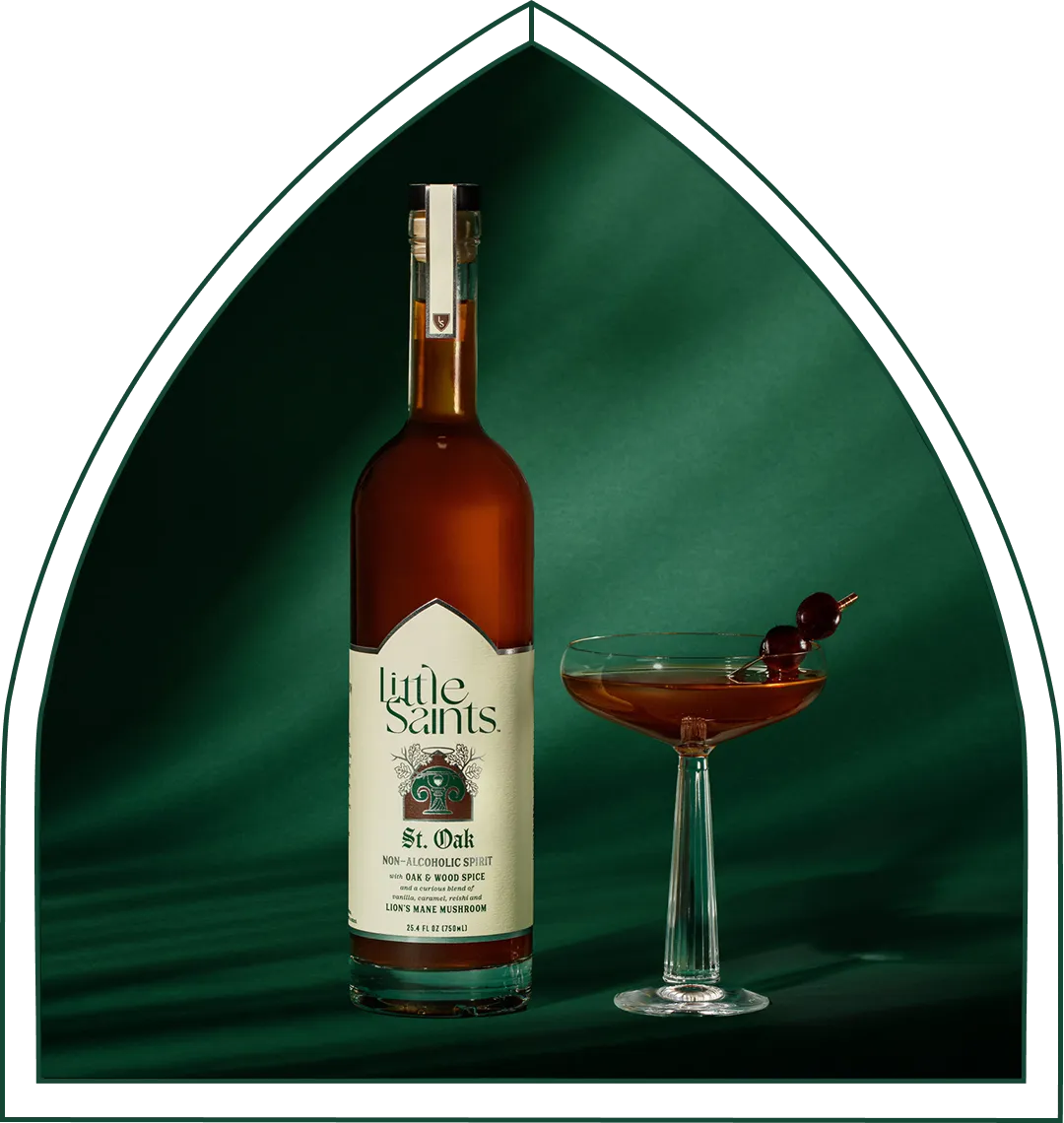
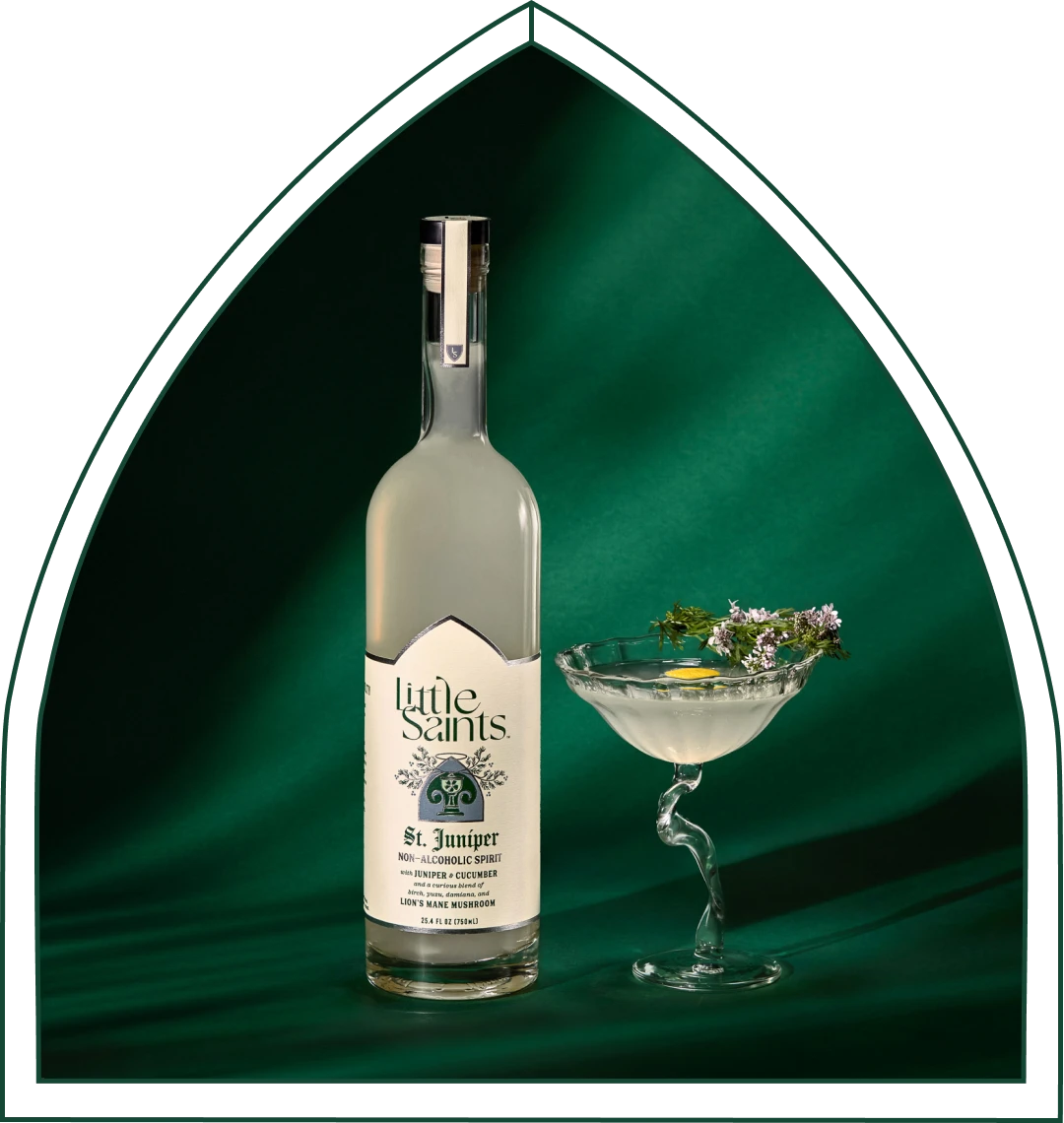
Little Saints was built specifically for that moment. The non-alcoholic spirits, St. Ember, St. Oak, and St. Juniper, mix 1:1 in a classic cocktail, so two ounces replace two ounces. First-generation non-alcoholic spirits often required a two-to-three-times pour because they were essentially flavored water. Little Saints uses oil-based craft extracts that hold up in a build and keep flavor intensity. The brand describes the result as the Little Saints Lift, a feeling of clarity and ease, a little lifted. The experience focuses on arrival into the evening rather than intoxication or impairment.
These statements have not been evaluated by the FDA, and the products are not intended to diagnose, treat, cure, or prevent any disease. Consult a doctor before use if you are pregnant, nursing, taking medications, or managing a medical condition.
Adaptogen Drinks Side Effects And Who Should Avoid Them
Adaptogen drinks deserve the same safety lens you would apply to any supplement. Evidence and regulatory guidance highlight several key considerations.
"Adaptogen" Is A Marketing Category. The FDA does not recognize "adaptogen" as a formal regulatory category in the United States, so the term functions as marketing language rather than a regulated product class. There is no potency standard, no required dose disclosure, and no pre-market approval process specific to adaptogen drinks.
Medication Interactions. Mushroom and botanical extracts can interact with prescription medications. Relevant categories to discuss with a prescriber include blood thinners, sedatives, blood pressure medications, thyroid medications, and immunosuppressants. The interactions vary by ingredient and individual, and the research base is often limited. Always check with a pharmacist or physician before adding any supplement to a medication regimen.
Pregnancy And Nursing. Safety data in pregnancy and breastfeeding is inadequate for the broader adaptogen category, and consumers are advised to consult a clinician before use. This applies to mushroom extracts and botanical ingredients.
Mushroom Allergies. People with confirmed mushroom allergies should avoid products containing mushroom extracts and consult a doctor before trying any product in this category.
Evidence Limitations. Most studies on adaptogenic ingredients are small, short-term, and conducted on specific standardized extracts rather than commercial beverages. A reported benefit from a clinical trial does not guarantee that a commercial drink at an unstated dose will produce the same result. Consult a doctor before use if you are pregnant, nursing, taking medications, or managing a medical condition. These statements have not been evaluated by the FDA, and the products are not intended to diagnose, treat, cure, or prevent any disease.
Frequently Asked Questions About Adaptogen Drinks
Do Adaptogen Drinks Give You A Buzz?
Adaptogen drinks do not produce an alcohol-like buzz. The functional mushrooms used in them are non-psychoactive, so they do not create intoxication. Some adaptogen ingredients can interact with medications or impair driving, and regulatory risk tends to center on marketing claims rather than formulation. One small randomized trial of an adaptogenic energy shot found no side effects or motor impairment and a faster reaction time at 108 minutes. That finding applies only to that specific product and study. Some adaptogen ingredients, such as kava, may impair driving when consumed in large amounts. The category often borrows social-occasion language, and some brands use "euphoric" or "buzz" framing, but those words describe an effect these products do not and cannot legally deliver. Little Saints instead describes the Little Saints Lift, a subtle sense of clarity and ease.
Is "Adaptogen" The Same As A Specific Ingredient?
"Adaptogen" is an umbrella term covering many plants and mushrooms thought to help the body manage stress. It is not the name of a single ingredient. Reishi mushroom is one example of an ingredient commonly described as adaptogenic. The term has no regulatory definition in the United States, so any product can use it regardless of what is actually inside.
What Is The Best Time Of Day To Take Adaptogens?
Evening is the natural fit for the wind-down occasion, which is the moment Little Saints was built for. Consistency matters more than clock time. Adaptogenic ingredients are best taken regularly rather than sporadically, which makes a drink you look forward to a more sustainable format than a capsule you forget. Little Saints carries no caffeine in its core line, so it suits evening use without interfering with sleep for most people.
How Many Adaptogen Drinks Should You Have A Day?
Research does not define a universal daily limit for adaptogen drinks. A more useful frame is steady use at a level that feels comfortable for your body. If you have questions about what is appropriate for your health situation, consult a doctor, especially if you take medications or have an existing condition.
The Bottom Line
Packaging, not plants, creates most of the confusion around adaptogen drinks. Many drinks in the category leave out key details about what they contain. Most labels omit the dose, the extract type, and the beta glucan figure. A label that lists an ingredient without those details functions as marketing copy rather than a clear formulation.
Little Saints is a rare exception. The brand publishes a stated 100 mg dose per serving at a minimum of 70% beta glucan and documents this with supplier certificates of analysis. The mushroom extracts are USDA Organic and grown in California. Every can carries zero grams of sugar and five calories, and the non-alcoholic spirits carry zero grams of sugar with no sweeteners at all. The core line contains no caffeine because the intended occasion is the evening.
If you have been disappointed by mushroom powders with no dose on the package, the label check above offers a practical framework. Little Saints passes every point on that checklist.
These statements have not been evaluated by the FDA, and the products are not intended to diagnose, treat, cure, or prevent any disease. Consult a doctor before use if you are pregnant, nursing, taking medications, or managing a medical condition.
Choose Your Little Saints Flavor
The statements made on our website have not been evaluated by the Food and Drug Administration, Our products are not intended to diagnose, treat, cure or prevent any disease. If you are pregnant, nursing, taking any medications or have any medical conditions, consult your doctor before use.