


Key Takeaways
- 1:1 non-alcoholic spirits let you swap the same volume of NA spirit for traditional spirits in any cocktail recipe without changing the base ratios.
- Modern 1:1 spirits use concentrated oil-based extracts instead of flavored water, which gives them the body and viscosity needed in mixed drinks.
- Match flavor profiles when substituting: St. Oak for whiskey or aged rum, St. Juniper for gin, and St. Ember for tequila or mezcal.
- Compensate for missing alcohol burn by adding bitters, increasing aromatics, reducing sweeteners, and upgrading mixers to keep balance and mouthfeel.
- 1:1 NA spirits are available from brands like Little Saints, which offers a zero-sugar, functional mushroom-infused line.
What Does "1:1" Mean in Non-Alcoholic Spirits?
A 1:1 non-alcoholic spirit replacement means you can substitute the same volume of an NA spirit for the traditional spirit in any cocktail recipe. Two ounces of NA whiskey replaces two ounces of whiskey, while the drink’s structure stays intact. This works when the NA spirit is concentrated enough to hold its own in a mixed drink.
Early NA spirits were built on flavored water. When poured into a cocktail, they diluted the drink and disappeared behind the mixers. Bartenders compensated by pouring two to three times the volume. That approach left the “non-alcoholic” cocktail mostly water with a whisper of flavor, and the bottle emptied at twice the rate. Thin liquid is the single biggest reason early entrants disappointed, and it remains the defining flaw of first-generation products.
Modern 1:1 spirits achieve true substitution through oil-based craft extracts rather than flavored water. These concentrated extracts provide the body and viscosity that mimic the mouthfeel of alcohol, so the NA spirit holds its own in a build. Little Saints’ St. line — St. Ember, St. Juniper, St. Oak — was formulated with master mixologists specifically to mix 1:1, with a built-in burn from cardamom and capsicum and natural viscosity from the mushroom extract.
When you evaluate any NA spirit, check whether the brand explicitly states its 1:1 ratio. A product that calls for over-pouring or “adjusting to taste” functions as a first-generation product in a modern bottle rather than a true 1:1 replacement.
Common Spirit Substitutions: Which NA Spirit Replaces What?
The key to successful 1:1 substitution is matching the flavor profile of the NA spirit to the traditional spirit you want to replace. Use this framework for the most common cocktail spirits.
Whiskey
Look for oak, vanilla, caramel, and warm spice notes with a subtle finishing heat. Strong NA whiskeys capture the wood-forward character of bourbon or rye without relying on ethanol alone for structure.
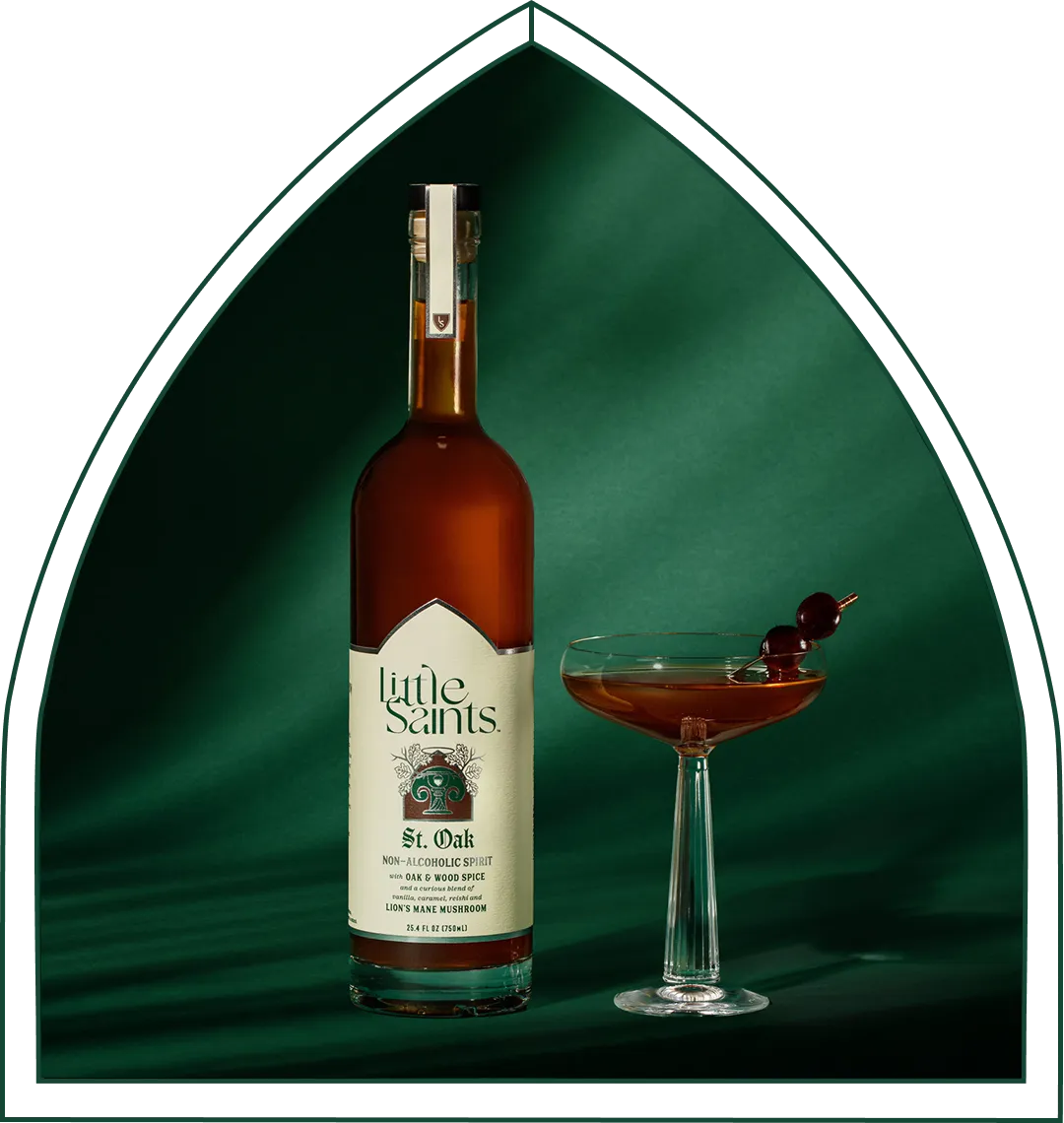
Little Saints St. Oak captures the soul of an oak-aged whiskey with vanilla, spice, and woodsy notes from oak, vanilla, cardamom, and caramel. It was named Best NA Spirit of 2025 by the BevNET Spirit Awards. Other category options include Ritual Zero Proof Whiskey Alternative, which features vanilla, oak, stone fruit, and caramel with a pleasant finishing heat, and Spiritless Kentucky 74. Best cocktail uses: Old Fashioneds, Manhattans, Boulevardiers, Whiskey Sours.
Gin
Seek juniper-forward character with botanical complexity such as cucumber, citrus, coriander, and angelica. The strongest NA gins put juniper first and build herbaceous layers around it.
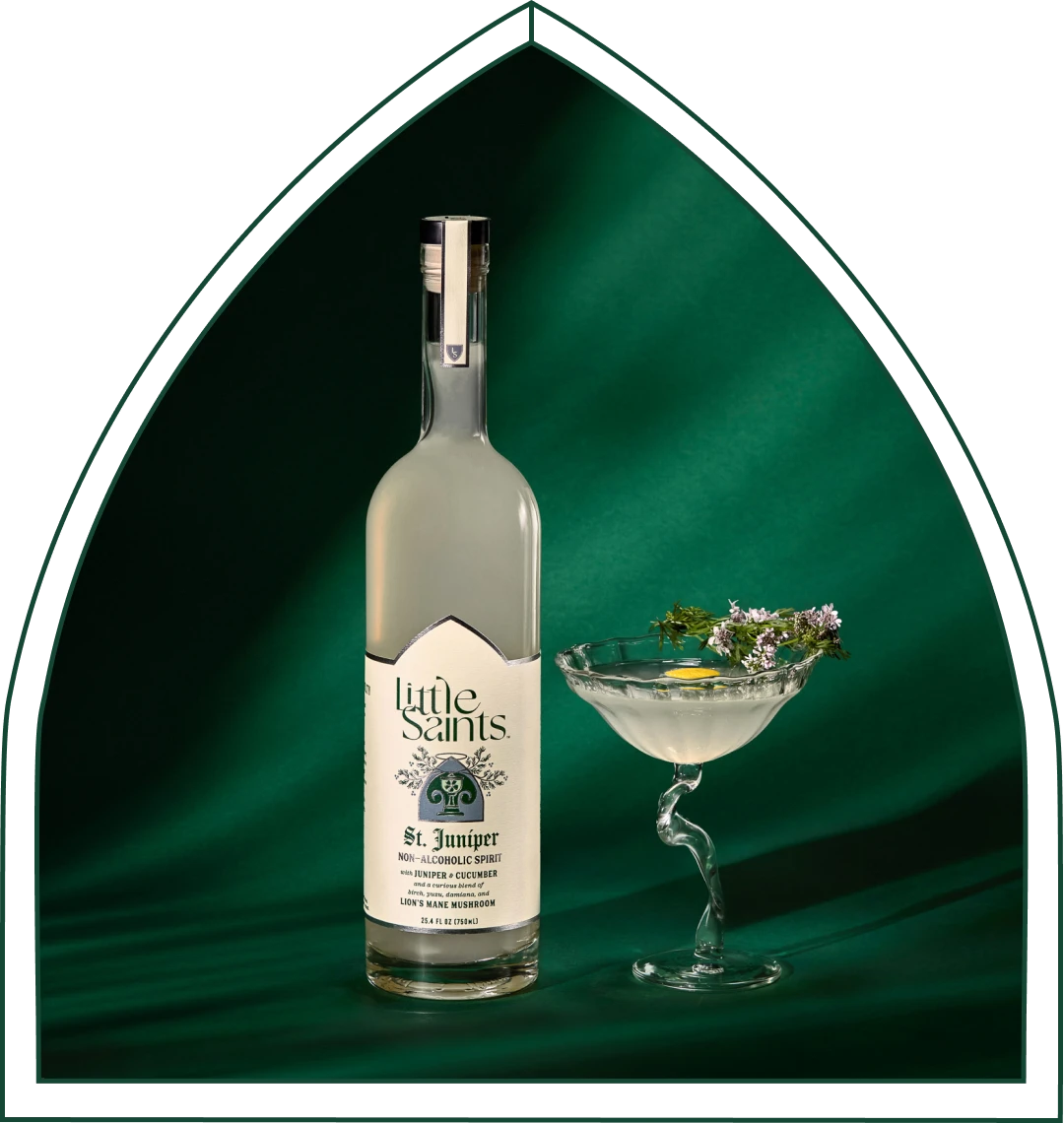
Little Saints St. Juniper delivers juniper, cucumber, and herbaceous notes from juniper, birch, angelica, coriander, and cardamom. It holds a 4.6/5 rating across 147 accumulated customer reviews on littlesaints.com, with 93% recommending it. Other category options include Lyre’s Dry London Spirit. Best cocktail uses: Gin & Tonics, Gimlets, Martinis, and anything citrus-forward.
Tequila and Mezcal
For tequila, focus on earthy agave with bright citrus and a clean finish. For mezcal, look for smoky, spicy, woodsy complexity. Strong NA expressions capture agave character without relying on ethanol for heat.
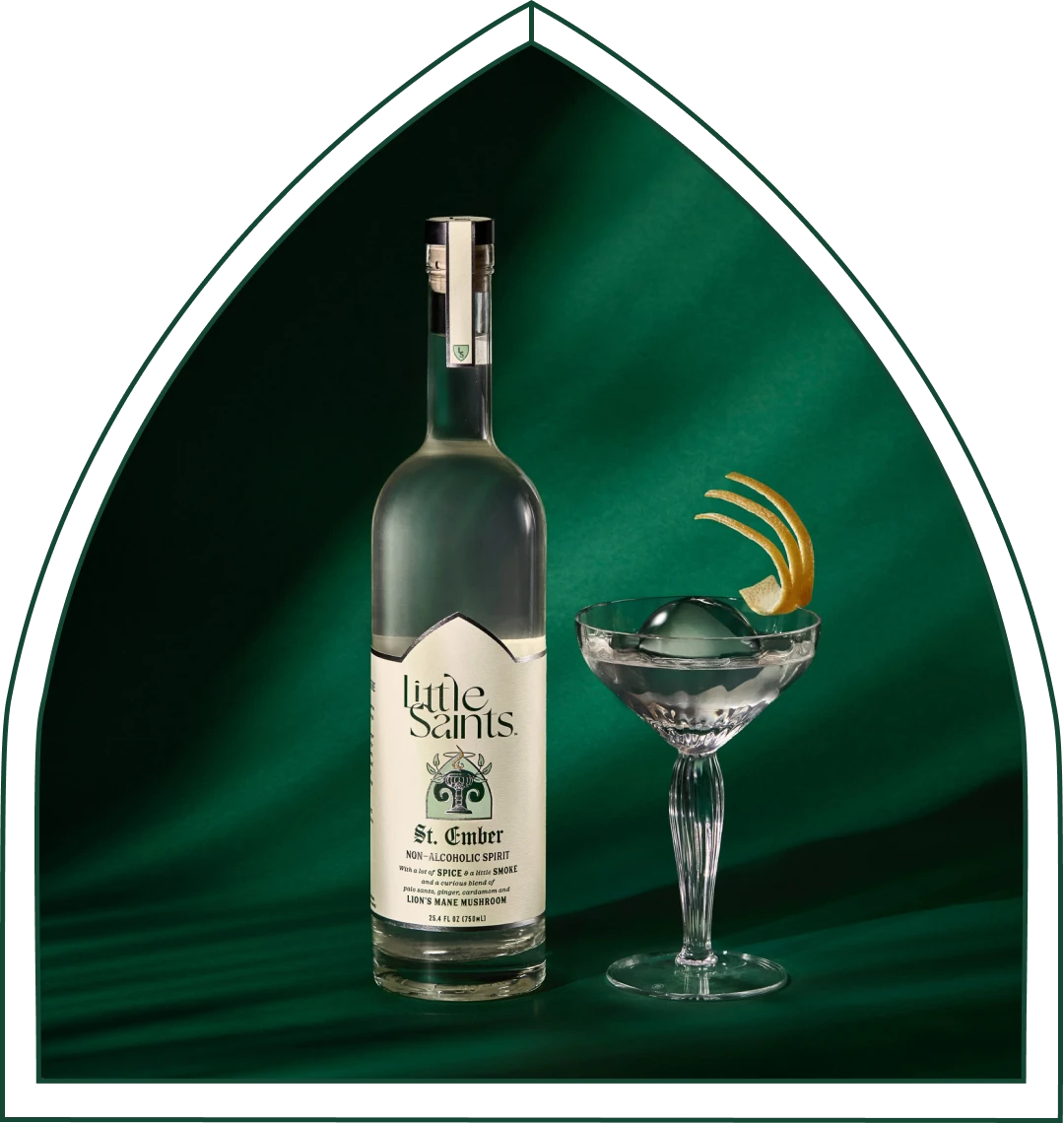
Little Saints St. Ember is an ode to a light, spicy mezcal, smoky and woodsy, built on palo santo, ginger, and cardamom. It mixes like a tequila or mezcal. St. Ember holds a 4.7/5 rating across 430 accumulated customer reviews on littlesaints.com, with 92% recommending it. One percent of St. Ember proceeds supports reforestation in Peru. Ritual Zero Proof Tequila Alternative offers earthy agave, guava, and a clean burn for those exploring the category. Best cocktail uses: Margaritas, Palomas, Sunrises, Mezcal Mules.
Rum
For aged rum, look for vanilla, caramel, and warm spice. For white rum, seek a clean, slightly sweet profile with tropical notes. Little Saints St. Oak doubles as an aged rum substitute in tiki-style cocktails like Mai Tais. Ritual Zero Proof Rum Alternative offers vanilla, banana, and warm spice notes suited to Mojitos and Daiquiris. Best cocktail uses: Mai Tais, Dark & Stormys, Mojitos, Piña Coladas.
For a quick reference, the table below summarizes each traditional spirit, its NA counterpart, and the cocktails where they shine.
| Traditional Spirit | NA Spirit Example | Best Cocktail Uses |
|---|---|---|
| Whiskey | St. Oak, Ritual Zero Proof Whiskey Alternative | Old Fashioneds, Manhattans, Sours |
| Gin | St. Juniper, Lyre’s Dry London Spirit | G&Ts, Gimlets, Martinis |
| Tequila / Mezcal | St. Ember, Ritual Zero Proof Tequila Alternative | Margaritas, Palomas |
| Rum | St. Oak (aged), Ritual Zero Proof Rum Alternative | Mai Tais, Mojitos, Daiquiris |
Shop Now to find your spirit match in Little Saints’ St. line of 1:1 non-alcoholic spirits. Once you have picked your 1:1 substitute, the next step is adapting your favorite recipes to account for what the alcohol no longer provides.
How to Adjust Your Favorite Cocktail Recipes for NA Spirits
The biggest challenge with NA spirits is sensory: they lack the alcohol burn and viscosity of ethanol, which can make drinks taste flat or watery without the right adjustments. Ethanol performs five jobs in a spirit: it delivers heat, builds body, carries aroma, preserves the liquid, and balances flavor. Removing it creates five engineering problems that must be solved simultaneously. Use this step-by-step adjustment framework to keep your drinks satisfying.
- Start with the 1:1 ratio, then add a dash of bitters. Bitters mimic the alcohol’s bite and add complexity. A few dashes of aromatic bitters in an NA Old Fashioned or Manhattan bridge the gap between juice and cocktail. Bitters add depth of flavor and grounding botanicals that boost the NA spirit’s performance.
- Increase aromatic ingredients. Alcohol carries aroma, so you need to compensate. Express citrus oils over the glass, add fresh herbs, or use a quality garnish. The nose delivers a large share of the experience.
- Adjust sweeteners downward. Start with less simple syrup than the recipe calls for. Without alcohol’s natural bitterness, drinks can become cloying quickly. Taste and adjust rather than pre-loading sweetness.
- Add a textural element. A pinch of salt or a few drops of saline solution at a 1:10 salt-to-water ratio enhances flavor and mouthfeel. This bartender trick works particularly well in NA cocktails.
- Upgrade your mixers. Quality tonic water with real quinine and ginger beer made with actual ginger root add structure that cheap mixers lack. The mixer makes up most of your drink’s volume, so quality matters.
- Taste and adjust incrementally. Evaluate the drink cold, not at room temperature, because flavors open up and sweetness shifts after chilling. Adjust one variable at a time.
- Do not skip the garnish. A well-expressed citrus peel adds aroma that helps replace alcohol’s missing nose. The garnish serves a functional role, not just a decorative one.
Little Saints’ spirits have a built-in burn from cardamom and capsicum and natural viscosity from the Lion’s Mane extract. That structure means you often need fewer adjustments at the start, while these steps help you dial in your perfect pour.
Common Mistakes to Avoid When Using NA Spirits
- Over-pouring. Many people assume they need extra NA spirit to get enough flavor, but that assumption is wrong because a true 1:1 spirit is concentrated enough at the standard pour. Stick to the 1:1 ratio, because over-pouring throws off the drink’s balance and empties your bottle faster.
- Expecting an ethanol burn. NA spirits will not deliver the same heat as ethanol. Use bitters, citrus, or a quality tonic to create a satisfying bite, and treat that adjustment as part of the recipe rather than a flaw in the spirit.
- Choosing a low-quality NA spirit. Watery or overly sweet products undermine your cocktail regardless of technique. Choose a spirit built on concentrated extracts with a clearly stated 1:1 ratio.
- Forgetting to chill your glass. A warm glass melts ice faster and dilutes your drink. Chill your glassware and use fresh, large ice cubes to slow dilution.
- Using cheap mixers. In a 6 oz G&T, the spirit is 1.5 oz and the tonic is 4 oz. Upgrading the mixer improves flavor, carbonation, and perceived quality more than almost any other single change.
How to Choose the Right NA Spirit for Your Taste
Start with your favorite cocktail and work backward from there. If you are a whiskey drinker, look for an NA whiskey with oak and vanilla notes. If you love gin, seek out juniper-forward options. The NA spirit should capture the notes of the traditional spirit you want to replace.
Consider the role of functional ingredients. Some NA spirits include nature-based ingredients like Reishi and Lion’s Mane, which can add a subtle sense of clarity and ease, a feeling Little Saints calls the Little Saints Lift. The effect stays subtle by design rather than dramatic, and it varies by person. Little Saints’ spirits are non-intoxicating, non-psychoactive, and 100% legal.
Read the label and look for clear data. Check for sugar content and look for dose transparency on any functional ingredients. Little Saints’ spirits, for example, carry zero grams of sugar with no sweeteners, and the brand publishes two figures most brands leave out: a 100 mg dose of mushroom extract per serving at a minimum of 70% beta glucan, documented by certificates of analysis from the supplier. That transparency extends to sourcing, because the mushrooms are USDA Organic, grown in California, and extracted with ultrasound rather than chemical solvents.
With these criteria in mind, you can confidently choose a 1:1 NA spirit that fits your palate, your values, and your favorite recipes.
Explore Little Saints’ full range of 1:1 non-alcoholic spirits and canned cocktails, which offer zero sugar, five calories, and a supplement-grade functional mushroom blend in every pour.
These statements have not been evaluated by the Food and Drug Administration. This product is not intended to diagnose, treat, cure, or prevent any disease.
Frequently Asked Questions
What does 1:1 mean in non-alcoholic spirits?
As explained above, a 1:1 replacement means swapping equal volumes, such as two ounces of NA whiskey for two ounces of whiskey, with the base ratio unchanged. This approach works only with concentrated-extract spirits rather than flavored-water products.
Can I use NA spirits in any cocktail recipe?
Yes. True 1:1 spirits are formulated to work in any recipe that calls for the traditional spirit. You may want to make small adjustments, such as adding a dash of bitters or reducing sweetener slightly, to compensate for the missing ethanol burn. The base ratio stays the same, so your favorite recipes work without restructuring.
Do NA spirits have alcohol?
Most NA spirits contain under 0.5% ABV, which is the legal threshold for non-alcoholic beverages in the US. Little Saints’ spirits are under 0.5% ABV, and the canned cocktails are 0% ABV. At these levels, there is no meaningful effect on blood alcohol concentration, the measure of how much alcohol is in the bloodstream, also known as BAC, and no impairment of judgment, reaction time, or coordination.
How do I make my NA cocktail taste less watery?
Start with a quality 1:1 NA spirit built on concentrated extracts rather than a first-generation flavored water product. Use fresh, large ice and a chilled glass to slow dilution. Add a dash of aromatic bitters to increase depth and bite. A pinch of salt or a few drops of saline solution at a 1:10 salt-to-water ratio enhances mouthfeel significantly. Upgrade your mixers, because premium tonic and quality soda water add structure that grocery-store alternatives lack. Little Saints’ spirits also carry natural viscosity that helps the drink hold its own over ice.
What is the best NA spirit for a margarita?
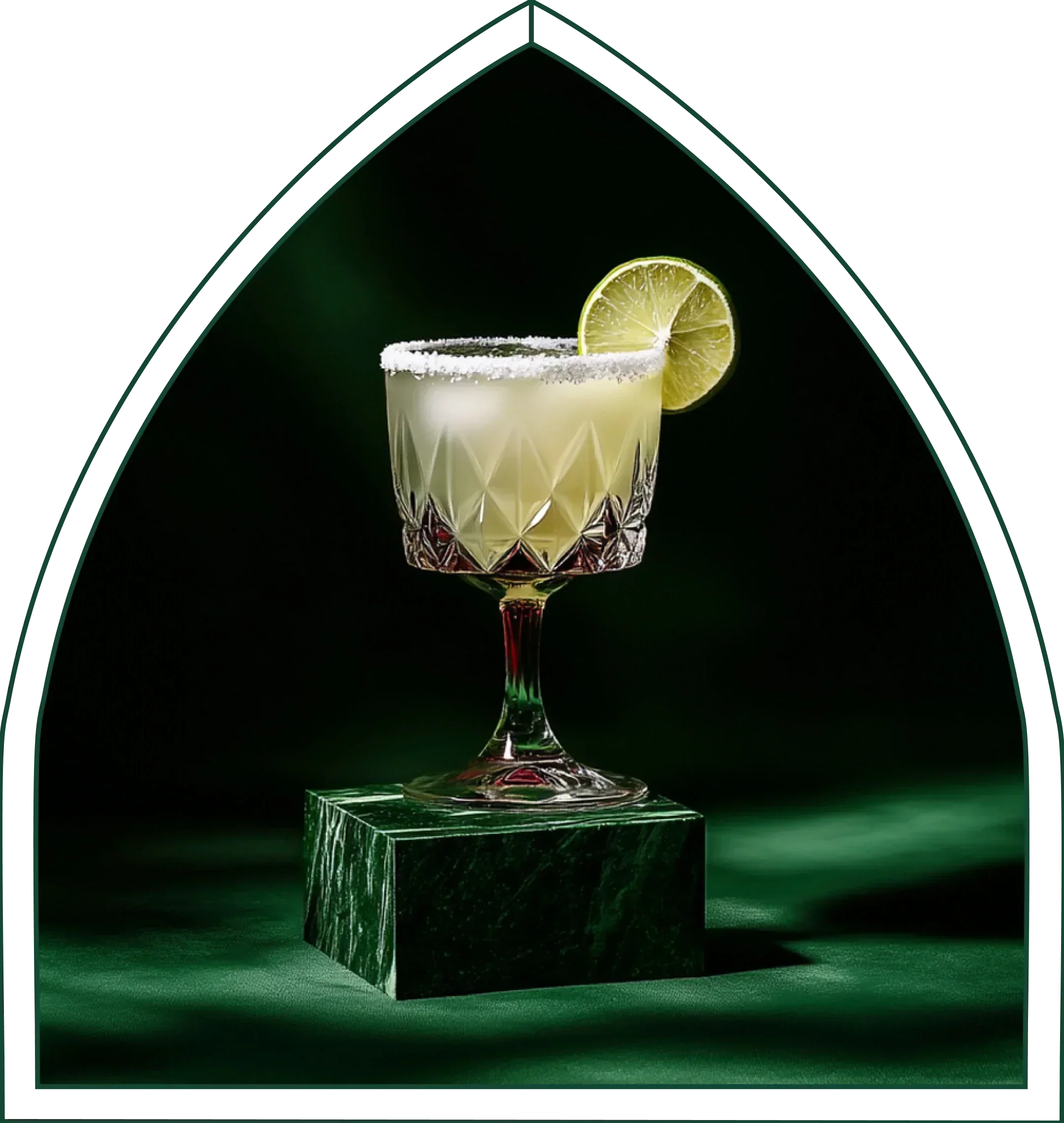
Look for an NA tequila or mezcal alternative with earthy, agave-adjacent notes and a clean finish. Little Saints St. Ember, described earlier, mixes like a tequila or mezcal and works in margaritas and palomas at a straight 1:1 substitution. Use two ounces of St. Ember in place of two ounces of tequila, keep the lime and agave nectar ratios the same, and finish with a salt rim and fresh citrus garnish.
The statements made on our website have not been evaluated by the Food and Drug Administration, Our products are not intended to diagnose, treat, cure or prevent any disease. If you are pregnant, nursing, taking any medications or have any medical conditions, consult your doctor before use.